Build Your Website in One Day with AI
A step-by-step guide to planning, writing and launching a professional website with AI in one day — no developer — and getting it found on Google.
Read the guide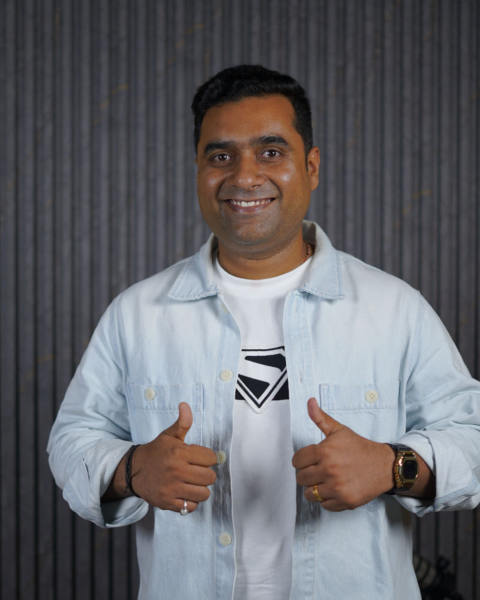 By Ujjwal Abhishek · www.ujjwalabhishek.com/guides/sales-call
On my calls I don't pitch for the first 30 minutes. I diagnose, like a doctor. It's the most reliable way I know to help people — and when you genuinely help, the selling takes care of itself. Here's the full structure with the questions I use.
When you pitch in the first five minutes, the other person stops listening and starts defending. They feel sold to. When you diagnose first, they feel understood — and people buy from the person who understands their problem best.
Understand their whole situation before forming an opinion. Ask, listen, take notes.
Find the one thing that's most broken. Not five. One. In my world it's almost always one of three: the product, the traffic, or the sales process.
Then reflect it back in one sentence: "So it sounds like the real issue isn't X — it's Y. Is that right?" When they say "yes, exactly", you've earned the right to recommend something.
Give them a clear plan to fix the one problem — useful whether or not they work with you.
Only then ask: "Would you like help doing this, or would you prefer to do it on your own?" Both answers are fine. If they want help, explain your offer in terms of their plan — not a list of features.
Don't push. Ask: "Of course. What specifically would you want to think through — the fit, the timing or the investment?" Usually there's one real concern. Answer that honestly.
45–60 minutes works well for a considered purchase: about 10 minutes to map the situation, 20 to pinpoint the core problem and 15 to plan.
Tell them honestly and still give them the plan. It builds trust and often leads to referrals.
Yes. Document the questions as a script, role-play them weekly and review recorded calls together. See the guide on building a sales team in Insights.
Co-founder & CEO of Fitness Funda (15,000+ paid clients, ₹10 Cr+ revenue) and creator of the Win-Win Money Machine™. I share one practical lesson every day on Instagram — on AI, the online world, sales, money and health.
If you're a coach, expert, founder or business owner and want to apply this to your business, let's map it out together.
A step-by-step guide to planning, writing and launching a professional website with AI in one day — no developer — and getting it found on Google.
Read the guideWhat to do when ChatGPT and AI search don't know who you are: a practical checklist for experts and businesses to show up in AI answers.
Read the guideHow to set up a weekly AI routine that drafts an article and three social posts every Monday — with you approving everything before it goes live.
Read the guide